

Some excerpts:
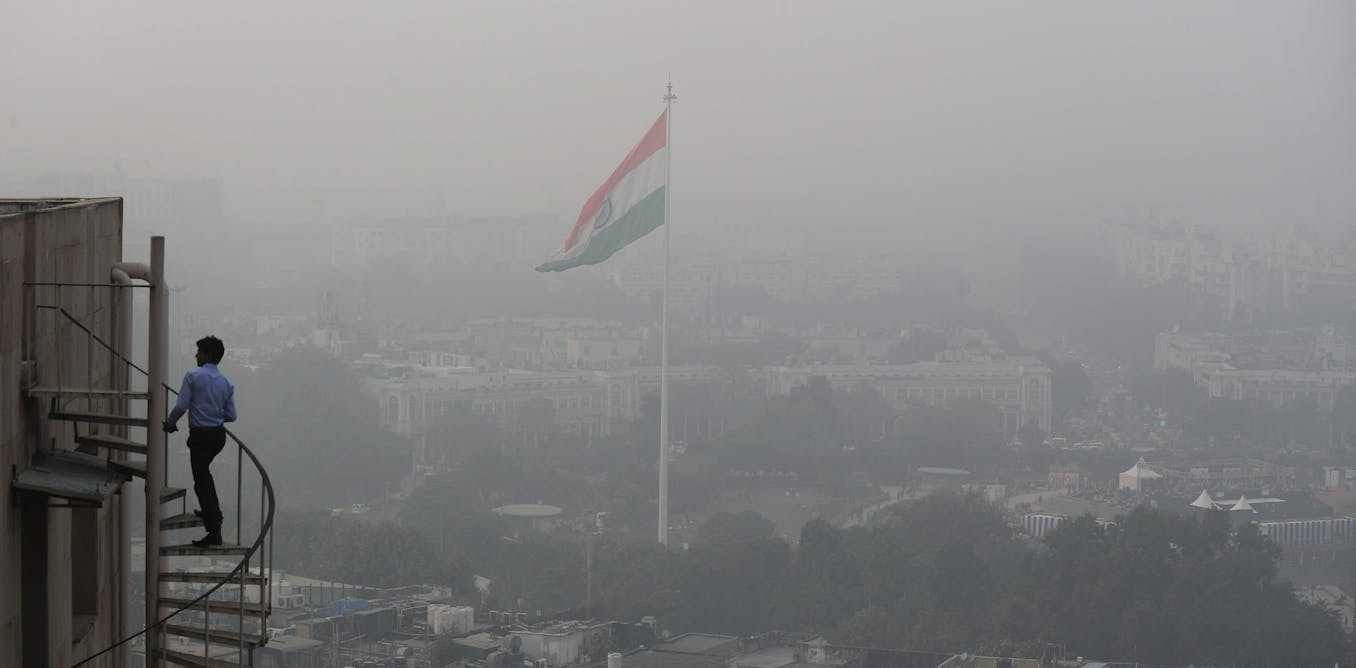
Parts of India, including the capital Delhi, were once again covered in thick smog recently as toxic pollution from industry and crop-burning engulfed the region. Even though India’s National Clean Air Programme has advanced clean air action, air pollution remains a reoccurring problem.
Reliably protecting public health will require tighter co-ordination across orders of governments and departments. Air pollution is shaped by different economic sectors, weather, geography and siloed institutions. Single-sector fixes alone, like pausing construction or banning older vehicles, are unlikely to deliver system-wide change.
That’s why our team conducted a study to map air quality governance in India as an interconnected system, linking the parts that determine what gets measured, what gets enforced, what gets funded and what persists beyond city boundaries.
In addition to the authors of this article, our research team included Christoph Becker and Teresa Kramarz from the University of Toronto, Om Damani and Anshul Agarwal at the Indian Institute of Technology Bombay and Ronak Sutaria from the environmental consultant Respirer Living Sciences.
Our goal was to identify leverage points in current governance where shifts could deliver the greatest pollution-related health benefits.
If we want clean air to be a public service, we need pathways for communities to participate meaningfully. Our research argues for steady funding and training to build community monitoring literacy so accountability and action persist beyond political cycles.