

8·
17 days agoIt is, though.
S&box (pronounced Sandbox) is an upcoming game engine and platform developed by Facepunch Studios, intended to be a spiritual successor to Garry’s Mod.
Unless explicitly stated, all content posted by this user, is done so under CC BY-NC-SA 4.0 DEED (non-AI).
It is, though.
S&box (pronounced Sandbox) is an upcoming game engine and platform developed by Facepunch Studios, intended to be a spiritual successor to Garry’s Mod.
Had to search it, since I’ve never heard of s&box.
s&box is a spiritual successor to Garry’s Mod and a love letter to Source 2
Edit. A game engine. So, super cool.
Sure. But you use bmp when you want to nuke your drive space for no real reason.
Have you used IE? This correlation checks out.
Plot twist: it returns the bios serial.
So, losing a passkey isn’t a lost account?
What happens when that file gets breached?
What happens to the account access if the passkey-registered device dies?
Lol bogosort! There’s a term I haven’t heard in a while
So… … a sorting algorithm that uses a wankton of energy and gets the sort order wrong sometimes. Um… why, though?
I don’t know who pulled that cabling, but they need to be hung with it.
The Translator was the nickname given to, what essentially was, the NSA supercomputer that could solve any (non-shift text) encryption by bruteforcing the key in under an hour (most of the time, in about 15 minutes). I mentioned DES, because it was an encryption so old that nearly everyone has heard about it, and one that I know was used on The Translator. And you’re right, DES was capped at 56 bit keys, because they could crack it without The Translator, if needed.
But the scope isn’t if the UUIDs are crackable (which, of course, they’re not, since they’re not encrypting anything). The scope is if using UUIDs as filenames in this publically accessible db a good way to hide the files. And the answer is: no it is not a good way, because a computer powerful enough can guess all possibilities in a matter of minutes, and query them all against the db to discover all files stored within.
The scope isn’t if they’re crackable (which, if course, they’re not, since they’re not encrypting anything). The scope is if using UUIDs as filenames in this publicaly accessible db a good way to hide the files. And the answer is: no it is not, because a computer powerful enough can guess all possibilities in a matter of minutes, and query them all against the db to discover all files stored within.
You should read into the NSA’s Translator. Granted, it’s relatively outdated with shifting text algorithms, but for a very long time (about half a century), it was able to bruteforce any key, regardless of length, in under an hour.
It’s not, though. And thinking that it is impossible is why DES, for example, was “translatable” by the NSA for decades. Never assume something is impossible just because it’s difficult.
I cannot. But the bruteforce is a mathematical guarantee.
It taking a long time doesn’t make it an impossibility. The fact that it has a limit of 122 bits, in and of itself, makes the possibility of a bruteforce a mathematical guarantee.


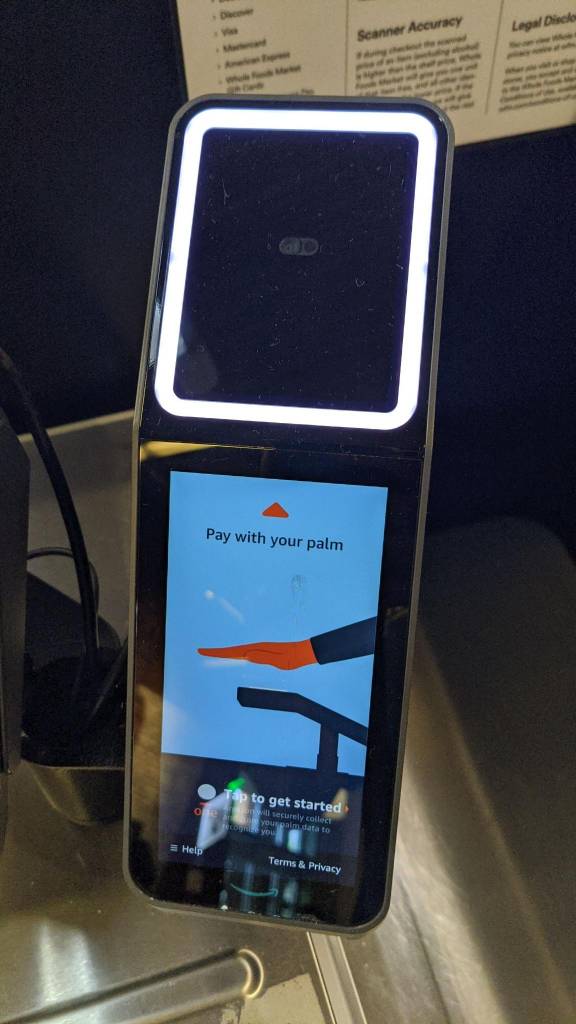
“by using this site you agree to…”
I’m not using your site. And I agree to nothing. Now, go GET for me.