
5·
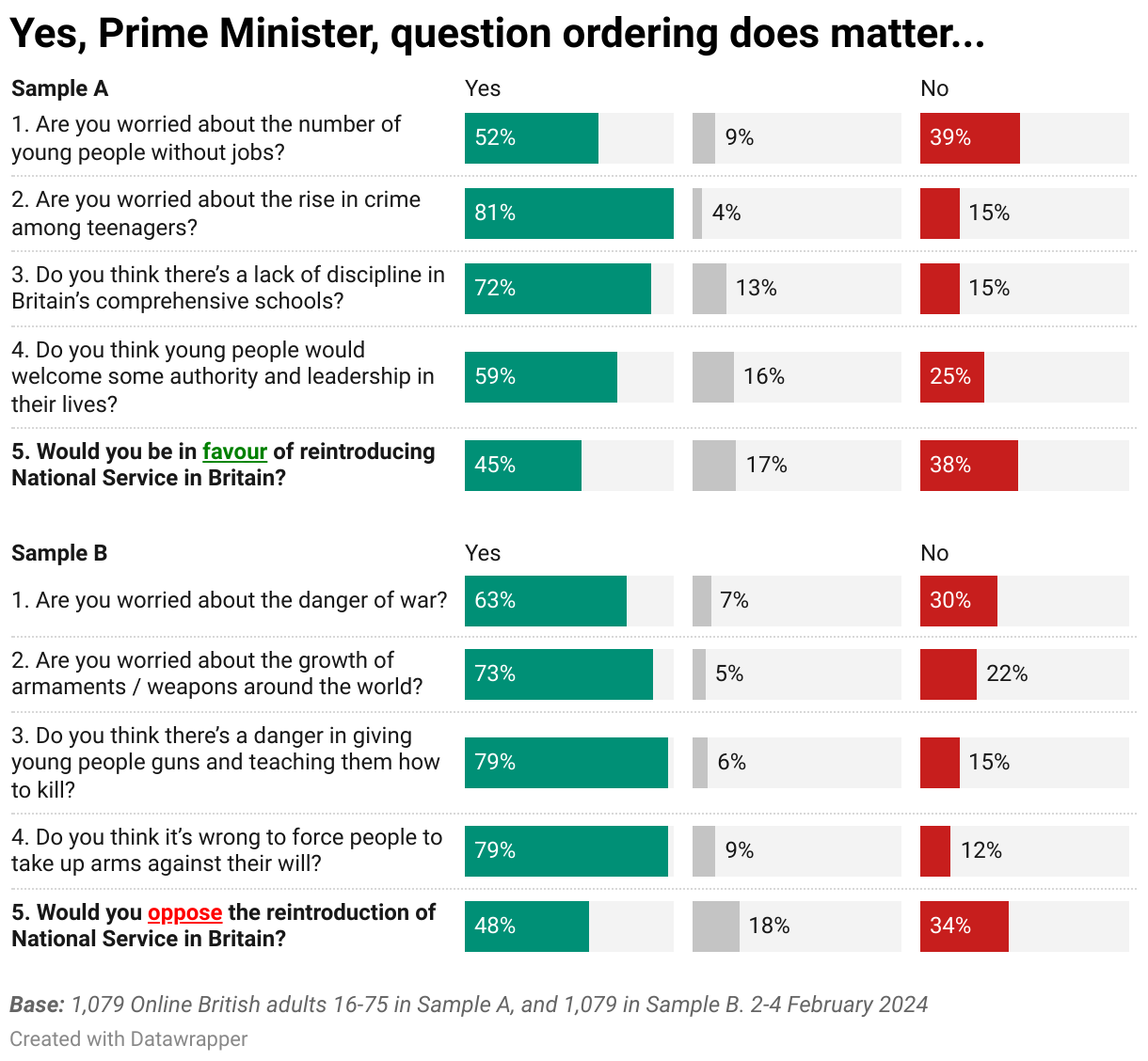
7 hours agoI’m sorry, here it is: https://www.ipsos.com/en-uk/yes-prime-minister-questionnaire-design-matters

Please contact me at @otter@lemmy.ca for any urgent issues.
This is an alt account used for testing and scheduling posts. I intend to retire the previous accounts I used for this purpose ( otters_raft@lemmy.ca and otters_raft@piefed.ca )
profile image: Photo by Kedar Gadge
I’m sorry, here it is: https://www.ipsos.com/en-uk/yes-prime-minister-questionnaire-design-matters


That sounds rough for people who don’t have a smartphone, if you forget it somewhere, if it’s out of power, etc
In Vancouver, I almost always see both a physical machine and the app/website options.
It might even be helpful to do away with QR codes altogether and slowly teach people to not scan random QR codes when paying.
A sign saying “Watch out for scams, do not scan any QR codes” + a visual 🚫 symbol would make it a lot harder for these scams to work









I think you are misunderstanding the goal of this. The article says that men “are less likely to ask doctors for help with a range of symptoms”. Addressing this is a part of addressing toxic masculinity and historic inequities, and a part of the broader work of finding the appropriate healthcare intervention for each person instead of the traditional one size fits all approach.
I would rather that men go to doctors for health advice instead of trying to fix it on their own, or worse, going to online influencers for advice. Figuring out why that happens is a step towards changing it for the better. If this work actually produces results, it will be good for both men and women.